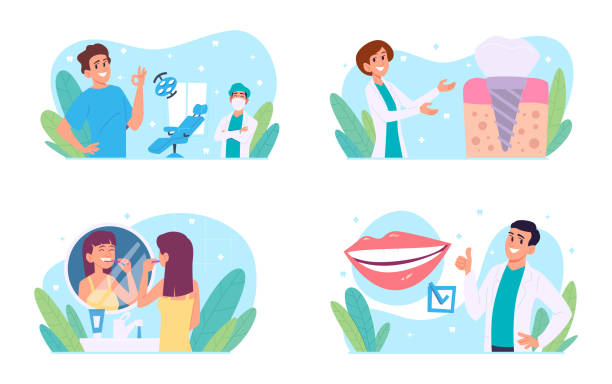

Many families want healthy teeth and a clean smile. You might notice stains, chips, crowding, or small gaps in family photos. These issues can drain confidence for children and adults. A single visit with a dentist in Livermore, CA can start to change that. Cosmetic dentistry offers simple solutions that parents and kids often choose together. Shared treatment can lower fear, build trust, and create a steady routine. It also helps you model brave behavior for your child in the chair. You do not need a perfect smile to deserve care. You only need a clear goal and honest guidance. This blog explains four common cosmetic treatments that families request as a group. You will see what each option does, who it helps, and what to expect before and after treatment. Then you can decide what feels right for your family.
1. Teeth Whitening for a Brighter Family Smile
Teeth whitening is one of the most common requests from parents and teens. Coffee, tea, sports drinks, and some medicines can stain teeth. Even with daily brushing, color changes still happen.
In a dental office, whitening uses a safe gel and a planned process. Your dentist protects your gums. Then your dentist applies the gel in short steps and checks your comfort.
Office whitening often helps when you want:
- Noticeable change before photos or events
- One plan for several family members
- Guidance on safe touch-up care at home
For teens, dentists usually wait until most adult teeth come in. You can review stain causes and brushing habits together. That talk can prevent new stains and protect gums. You can read more basic facts on tooth color and stains from the National Institute of Dental and Craniofacial Research.
2. Tooth Bonding to Fix Chips and Small Gaps
Tooth bonding repairs front teeth that have chips, cracks, or small gaps. Your dentist uses a tooth colored resin. Your dentist shapes it, hardens it with a light, and smooths the surface.
Families often choose bonding when:
- A child chips a tooth in sports or play
- A parent has an old chip that still feels sharp or looks uneven
- There are small gaps that cause shame in photos
Bonding usually takes one visit per tooth. Anesthesia is often not needed. That can calm children and older adults who fear shots. The material can stain over time. Regular checkups and cleanings help it last longer.
Bonding works best for:
- Front teeth with light biting force
- Small shape changes
- People who want a lower cost fix
It may not be right for large breaks or heavy grinding. Your dentist can test your bite and explain options that match your habits.
3. Clear Aligners or Braces for Straighter Teeth
Crowded teeth and bite problems affect chewing and cleaning. Many parents want their children to have a straighter smile. At the same time, they often feel unhappy about their own crooked teeth.
Today, families often ask for clear aligners. These are custom trays that move teeth in small steps. Some people still need metal or ceramic braces. Your dentist or orthodontist reviews jaw growth, crowding, and gum health before you choose.
Straightening teeth as a family can:
- Help children follow aligner rules when they see a parent do the same
- Create shared checkup visits that save time
- Lower teasing or shame for one child by making treatment a group effort
The American Dental Association explains how braces and retainers work and why follow-up matters. You can bring questions from that page to your visit.
4. Veneers for a Full Smile Makeover
Veneers are thin shells that cover the front of teeth. They change color, shape, and length. Veneers can hide deep stains, worn edges, uneven size, and gaps.
Parents tend to ask about veneers for themselves. Older teens sometimes ask about big changes like weight loss or skin care. Dentists often wait until growth is stable before placing veneers on young people.
Veneers often require:
- A planning visit with photos and models
- Shaping of the front of the teeth
- A short time with temporary covers
- A final visit to bond the custom veneers
Veneers need strong daily care and regular cleanings. You still brush, floss, and use fluoride. That routine protects the tooth under each veneer.
Comparison Table of Common Family Cosmetic Treatments
| Treatment | Main Goal | Best For | Typical Time | Common Family Use |
|---|---|---|---|---|
| Teeth whitening | Lighten tooth color | Stained but healthy teeth | About 60 to 90 minutes in office | Parents and older teens before events |
| Tooth bonding | Repair chips and small gaps | Minor front tooth damage | About 30 to 60 minutes per tooth | Child sports injuries and parent chips |
| Clear aligners or braces | Straighten teeth and improve bite | Crowding and bite problems | Several months to a few years | Parent and teen treatment together |
| Veneers | Change shape and color | Deep stains and worn teeth | Two to three visits | Parents or older teens after growth |
How to Choose the Right Path for Your Family
First, be clear about what bothers each person. One child may fear a chip. Another may hate a dark tooth. A parent may worry about tight crowding. List these concerns before your visit.
Next, talk about time, budget, and comfort. Some families start with whitening and bonding. Others focus on braces first and plan veneers years later.
Ask your dentist three simple questions for each option:
- What result can we expect
- How long will it last with good care
- What are the risks or limits for my child or for me
Then choose one shared goal. That might be brighter teeth for all adults and teens. Or it could be straighter teeth for two siblings. A clear shared goal keeps everyone on track.
Protecting Results with Daily Habits
Cosmetic treatment works best when you protect it. You can:
- Brush twice a day with fluoride toothpaste
- Floss once a day
- Limit sugary drinks and snacks
- Use mouthguards for sports
- Keep regular checkups and cleanings
These same steps prevent cavities and gum disease. They also help bonding, veneers, and whitening last longer. They lower the risk of new stains and chips.
Shared treatment is not about perfection. It is about giving each person in your family one more reason to smile without fear.