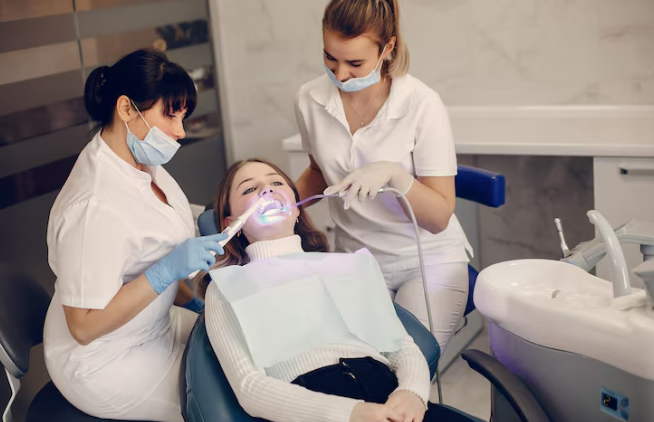

You might be looking at your child’s smile in photos and thinking something feels “off,” or you catch your own reflection and notice a chipped tooth that has been bothering you for years. You want everyone in your family to feel confident when they smile, but you also do not want anything extreme or fake looking. A dentist in Branchburg, NJ can help you achieve just that. You just want healthy, natural teeth that look good in everyday life.
If that sounds familiar, you are not alone. Many families feel caught between wanting cosmetic improvements and worrying about cost, pain, and whether a treatment is even necessary. Because of this tension, you might wonder what a general and cosmetic dentist can actually do for your family, and which options are worth considering.
Here is the short version. Most common cosmetic dental procedures are actually done by general dentists. They can gently reshape, repair, lighten, or replace teeth in ways that protect oral health and support appearance at the same time. The four treatments you will read about here are among the most common and family friendly, and they can often be combined with routine care you are already getting.
Are cosmetic dental treatments only about looks, or do they help your family’s health too?
The word “cosmetic” can make these treatments sound like a luxury. That can trigger guilt. You may think you are being “too vain” if you ask about whitening or veneers. At the same time, you might worry that your child’s crowded front teeth could hurt their confidence at school or that a dark filling will show when you talk in meetings.
Here is the truth many families discover over time. When teeth look better, people tend to smile more, clean more carefully, and keep up with dental visits. That can support long term health. On the other hand, ignoring cosmetic issues can sometimes hide deeper problems like decay, worn enamel, or bite trouble.
So where does that leave you? It helps to understand what general dentists actually do when they provide cosmetic dental procedures for families.
1. Teeth whitening that fits real family life
Maybe your teen has yellowing from braces, or you drink coffee and see stains that brushing no longer touches. Store bought whitening strips promise quick change, but results are often uneven. Gums can feel irritated, and you are left unsure how often to repeat it.
General dentists often provide professional whitening that is planned around your mouth. They check for cavities or gum problems first, since whitening on unhealthy teeth can cause sensitivity or patchy color. Then they choose a whitening method based on your needs. This might be an in office treatment for a fast result before a graduation photo, or custom trays you use at home on your own schedule.
Professional whitening is not for everyone. Some stains come from inside the tooth and do not respond well. That is why an exam and honest conversation matter before you spend money or raise hopes.
2. Tooth colored fillings that repair and blend in
If you grew up with silver fillings, you might remember how obvious they looked when you laughed. Modern general and cosmetic dentists often use tooth colored materials for many cavities, especially in front or visible teeth.
These fillings are made from composite resin that bonds to the tooth. The dentist matches the shade to your natural enamel, shapes it carefully, then hardens it with a special light. The result is a repair that helps protect the tooth from further decay and is hard to spot in day to day life.
These materials are constantly studied and improved. If you are curious about how they hold up, you can explore research on materials used for direct tooth restorations so you feel more informed.
3. Dental bonding to fix chips, gaps, and uneven edges
Picture a child who chips a front tooth on the playground, or an adult with a small gap that has always bothered them in photos. These issues can feel big emotionally, yet they often require a small, conservative cosmetic treatment called bonding.
Bonding uses a tooth colored resin, similar to white fillings, to reshape or rebuild part of a tooth. The dentist roughens the surface slightly, applies the resin, sculpts it, then hardens and polishes it. There is usually little or no enamel removal, which makes this option kinder to the tooth.
Bonding can be a good choice for families because it is often more affordable than veneers, can usually be done in a single visit, and works well for growing teens whose teeth and bites are still changing.
4. Veneers and crowns when you need a bigger change
Sometimes a tooth is too damaged, dark, or misshapen for whitening or bonding to do enough. Maybe you have a front tooth that had a root canal and turned gray, or several teeth that are worn from grinding. In those situations, a general dentist who offers cosmetic services might suggest veneers or crowns.
Veneers are thin shells that cover the front surface of teeth. Crowns cover the whole tooth. Both are custom made and can change color, shape, and alignment in a controlled way. They require more preparation than bonding, so it is important to understand the trade offs and to ask about long term maintenance.
Modern materials for veneers and crowns are much stronger and more natural looking than they used to be. If you are the type who likes to see the science behind decisions, you can review how researchers are improving dental materials used in restorations.
How do these cosmetic options compare for real families?
When you are trying to choose between whitening, bonding, veneers, or crowns, it can feel overwhelming. You might worry about choosing “too much” or “not enough.” A simple comparison can help you ask clearer questions during your consultation.
| Treatment | Best for | Typical visit count | Conserves natural tooth? | Common lifespan range |
|---|---|---|---|---|
| Professional whitening | Overall yellowing or surface stains | 1 to 2 visits or home trays | Yes. No drilling on healthy teeth | 1 to 3 years, with touch ups |
| Tooth colored fillings | Cavities in visible or back teeth | Usually 1 visit | Removes decay only | 5 to 10 years or more with care |
| Bonding | Small chips, gaps, uneven edges | Usually 1 visit | Minimal enamel removal | 3 to 10 years, may need touch ups |
| Veneers or crowns | Major color, shape, or damage issues | 2 or more visits | Requires more enamel removal | 10 to 15 years or more with care |
These ranges are general. Actual results depend on habits like grinding, nail biting, diet, and how closely you follow your dentist’s advice on maintenance.
What should you think about before choosing cosmetic dental work?
You may still feel torn. You want your family to feel good about their smiles, yet you also want to be careful with money and avoid regret. A few grounded questions can help you move from worry to a clear plan.
One helpful step is to separate “appearance only” wishes from issues that affect comfort, function, or self esteem. A small chip that cuts your lip or makes your child avoid smiling is different from a tiny color mismatch only you notice under bright lights.
You can also ask your dentist how each option affects tooth structure, future treatment, and long term cost. Sometimes a slightly higher upfront cost, like a strong crown on a cracked tooth, can prevent bigger emergencies later.
If you want neutral, science based background on oral health and treatment topics, you can review trusted resources like the National Institute of Dental and Craniofacial Research oral health information before or after your visit.
3 practical steps to move forward with cosmetic dental care
1. Make a simple “smile priority” list for your family
Before you see a general and cosmetic dentist, write down what actually bothers each family member. Focus on how it affects daily life. For example, “My child avoids smiling in photos because of the gap in front,” or “My filling shows dark when I speak in front of clients.” This helps your dentist match treatments to what truly matters to you, not just what is technically possible.
2. Ask your dentist for at least two options with pros and cons
During your visit, ask for more than one way to address the concern. For example, your dentist might explain both bonding and veneers for a chipped tooth, or both whitening and bonding for dark spots. Ask about cost ranges, how long each option usually lasts, and what maintenance looks like. This turns a hard decision into a clear comparison.
3. Start with the most conservative treatment that still meets your goal
When in doubt, begin with the option that protects the most natural tooth structure and fits your current budget. That could be whitening before veneers, bonding before crowns, or replacing old metal fillings with tooth colored ones only in the most visible areas first. You can always build on these steps over time as needs and finances change.
Feeling more at ease about cosmetic dentistry for your family
You wanted your family’s smiles to look natural, healthy, and confident, without getting swept into something that feels too extreme. By now you have seen that many family cosmetic dental treatments are simply thoughtful extensions of regular care. Whitening, tooth colored fillings, bonding, veneers, and crowns are tools your dentist can combine to match each person’s needs, age, and comfort.
You do not need to have all the answers before you ask for help. Start with a honest conversation about what you hope will change and what you want to protect. With clear information and a caring general dentist, cosmetic improvements can become part of a steady, realistic plan for your family’s oral health and confidence.