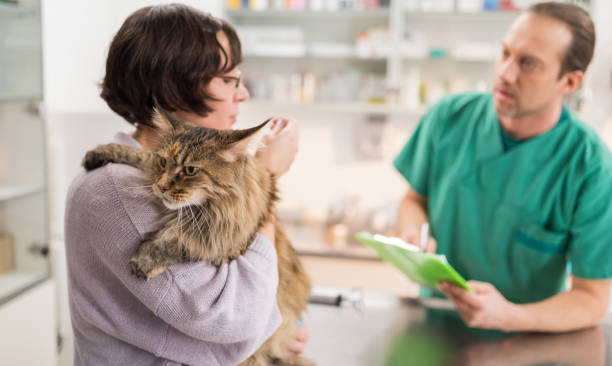

Your cat cannot explain pain or fear with words. You must watch for it. Some changes are small. Other changes scream for help. When you miss those signals, a treatable problem can turn into a crisis. Quick action can save your cat from organ failure, lasting damage, or death. This guide shows you three clear warning signs that mean you need an immediate animal hospital visit. You will learn what to look for, what to do, and what not to ignore for even one hour. A Kenosha veterinarian sees these emergencies every day and knows that minutes matter. You cannot wait for “tomorrow” when breathing, bleeding, or sudden collapse appear. You can protect your cat when you know these signs and trust your gut. Your cat depends on you.
Sign 1: Trouble Breathing Or Fast Breathing
Breathing problems are always an emergency. Even short episodes can mean heart failure, fluid in the lungs, or a blocked airway. You must act at once.
Watch for:
- Open mouth breathing or panting at rest
- Fast breathing when your cat is calm
- Heavy chest movement with each breath
- Blue or pale gums or tongue
- Hissing or wheezing sounds with each breath
- Stretching the neck forward to breathe
If you see any of these, do not wait. Do not give food or water. Do not force your cat into a carrier if it causes more stress. You can keep your cat in a small space with good air flow. You can call the nearest animal hospital and tell them you are on your way with a cat in respiratory distress.
The Merck Veterinary Manual for Cat Owners explains that breathing changes often point to heart or lung disease that needs oxygen and medical care right away. Home care cannot fix this. Only a clinic can give oxygen, X-rays, and fast drugs.
Sign 2: Heavy Bleeding, Major Wounds, or Sudden Severe Pain
Blood loss and severe pain shock the body. Your cat can crash fast. You must treat them as you would treat a human with the same injury. You would not wait. Your cat needs the same respect.
Seek an animal hospital at once if you see:
- Bleeding that soaks a towel in minutes
- Blood from the nose, mouth, or rectum
- Large cuts or skin torn away
- A limb that hangs, twists, or cannot bear weight
- Crying, growling, or hiding that started suddenly
- Refusal to let you touch a body part
You can apply firm pressure with a clean cloth to heavy bleeding. You can keep your cat warm and as still as possible. You must not use human pain medicine. Many common drugs cause organ failure in cats.
The Centers for Disease Control and Prevention notes in its pet safety guidance that animal bites, car strikes, and falls often cause hidden internal injuries. You may not see all the damage. Only an exam and imaging at a clinic can find it. You can review general pet injury guidance from CDC at https://www.cdc.gov/.
Sign 3: Collapse, Seizures, or Sudden Behavior Change
When your cat collapses, has a seizure, or acts very differently without a clear cause, you face a true emergency. This can mean bleeding in the brain, blood clots, poison, or severe infection.
Go to an animal hospital right away if you see:
- Collapse or passing out
- Seizures with paddling, twitching, or loss of control
- Sudden confusion or walking in circles
- Head pressing on walls or floors
- Sudden blindness or bumping into objects
- Body temperature that feels very hot or very cold
During a seizure, you can move objects away to prevent injury. You must not put your hand in your cat’s mouth. After the seizure, your cat may seem blind or scared. You can speak in a calm voice and move them in a carrier if you can do so without more stress. You must then go to the animal hospital without delay.
Quick Guide: When To Go To An Animal Hospital
You may still wonder when a symptom is urgent and when it can wait for your regular clinic. The table below gives simple guidance. When you are unsure, you should treat it as an emergency.
| Sign | Examples | Action |
|---|---|---|
| Breathing problems | Open mouth breathing, fast breaths at rest, blue gums | Immediate animal hospital visit |
| Bleeding or wounds | Heavy bleeding, large cuts, possible broken bone | Immediate animal hospital visit |
| Collapse or seizures | Passing out, shaking, sudden confusion | Immediate animal hospital visit |
| Not eating or drinking | No food or water for 24 hours, vomiting | Urgent clinic visit within 24 hours |
| Litter box changes | Straining, no urine, blood in urine | Same day visit. Emergency if a male cat cannot pass urine |
| Behavior changes | Hiding, hissing, less grooming | Clinic visit soon. Emergency if sudden and severe |
How To Prepare Before An Emergency Happens
You cannot predict every crisis. You can still prepare and reduce fear when it happens.
Three steps help:
- Write down the nearest 24-hour animal hospitals and keep the list on your fridge and in your phone
- Keep a simple pet emergency kit with gauze, tape, clean towels, and your cat’s carrier ready
- Watch your cat daily so you know what “normal” looks like for breathing, walking, eating, and play
The more you know your cat’s normal state, the faster you will spot danger. You will trust your concern instead of doubting it.
Trust Your Instincts And Act Fast
You share your home with a small predator that hides pain. That does not mean the pain is small. When you see trouble breathing, heavy bleeding, or collapse, you must act. You cannot wait to see if it passes. You must choose the animal hospital.
Your quick decision can spare your cat from long suffering. It can also save your family from grief and regret. You stand between your cat and silent danger. You are not alone. Your veterinary team stands ready to help when you bring your cat in on time.