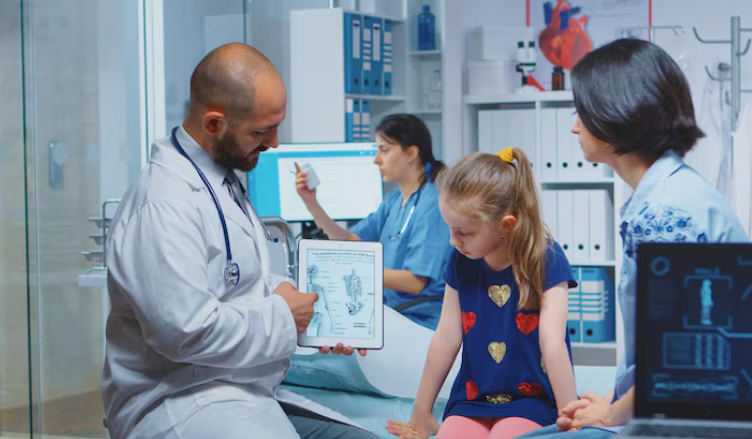

Modern medicine has significantly improved outcomes for children diagnosed with blood disorders and cancers, largely due to evolving treatment strategies and collaboration between specialties. One of the most important developments in this field is the growing importance of clinical advances in hematology and oncology, which have reshaped how complex pediatric conditions are diagnosed and managed.
Paediatric oncology today is no longer limited to a single-specialty approach. Instead, it involves a combination of medical oncology, hematology, radiology, pathology, surgery, and supportive care disciplines working together. This integrated model ensures that children receive precise diagnosis, timely intervention, and continuous care tailored to their condition and developmental needs.
Evolution of Precision Based Diagnostic Methods
Early and accurate diagnosis forms the foundation of successful treatment in pediatric blood disorders and cancers. Advances in molecular diagnostics, genetic testing, and imaging techniques have made it possible to identify diseases at much earlier stages than before.
These improvements allow doctors to classify conditions more precisely, leading to targeted treatment plans. Instead of generalized approaches, treatment is now based on the specific biological behavior of the disease in each child. This shift has improved survival rates and reduced long-term complications.
Role of Multidisciplinary Treatment Planning Systems
One of the most defining features of modern paediatric haemato oncology is the use of multidisciplinary treatment planning. Instead of relying on a single specialist, a team of experts collaboratively evaluates each case.
Oncologists, hematologists, radiologists, and surgical experts come together to design treatment protocols that balance effectiveness with safety. This coordinated approach ensures that every stage of care is carefully monitored and adjusted based on the child’s response.
Such teamwork also helps reduce delays in treatment decisions, which is critical in managing aggressive conditions.
Integration of Surgical and Orthopedic Expertise
In many complex pediatric cancer cases, bone involvement or structural complications may arise. This is where collaboration with a pediatric orthopedic dr becomes essential.
Orthopedic specialists help manage bone tumors, structural deformities caused by disease or treatment, and mobility challenges during recovery. Their involvement ensures that children not only receive cancer treatment but also maintain physical development and functional mobility.
This integrated care approach reduces long-term disability risks and supports better rehabilitation outcomes.
Supportive Care and Long Term Recovery Planning
Treatment in pediatric oncology extends far beyond medical intervention. Supportive care plays a crucial role in ensuring that children tolerate treatment well and recover effectively.
This includes nutritional guidance, pain management, infection control, and psychological support for both children and families. Emotional well-being is especially important, as long treatment cycles can be physically and mentally challenging.
Support systems also help families understand treatment stages, side effects, and recovery expectations, making the journey more manageable.
Advancements in Targeted Therapy and Immunology
Recent progress in treatment methods has introduced targeted therapies that focus on specific cancer cells without affecting healthy tissues. These treatments have reduced side effects and improved overall outcomes, reflecting important clinical advances in hematology and oncology that continue to reshape pediatric treatment approaches.
Immunotherapy has also emerged as a powerful tool, helping the child’s immune system recognize and fight cancer cells more effectively. These approaches represent a shift from traditional treatment methods to more personalized and less invasive strategies. Such innovations continue to evolve rapidly, offering hope for improved survival rates and better quality of life.
Importance of Early Detection in Pediatric Conditions
Early detection remains one of the most important factors influencing treatment success. Many pediatric blood disorders and cancers show subtle symptoms in the early stages, which can often be overlooked.
Routine health checkups, awareness of warning signs, and timely diagnostic evaluations play a key role in identifying conditions early. Early-stage treatment is typically more effective and less intensive, resulting in better recovery outcomes.
Awareness among parents and caregivers is therefore an essential component of pediatric healthcare systems.
Rehabilitation and Post Treatment Development Care
Recovery does not end with the completion of treatment. Children often require long-term rehabilitation to regain strength, mobility, and confidence. In some cases, collaboration with a pediatric orthopedic dr becomes important to support proper bone development and restore physical function during recovery.
Physical therapy, occupational therapy, and psychological counseling are important components of post-treatment care. These services help children return to normal routines such as schooling, social activities, and physical play. Long-term monitoring is also necessary to ensure that there are no late complications from treatment and that overall development remains on track.
Emotional and Psychological Family Support Systems
A diagnosis of cancer or a blood disorder affects the entire family, not just the child. Emotional and psychological support systems are therefore a vital part of integrated care.
Counseling services help parents manage stress, understand treatment options, and make informed decisions. Children also benefit from age-appropriate psychological support that helps them cope with hospital environments and medical procedures.
This emotional stability contributes significantly to treatment adherence and overall recovery outcomes.
Continuous Innovation in Pediatric Hemato Oncology
The field of pediatric cancer and blood disorder treatment continues to evolve rapidly. Research and clinical advances in hematology and oncology are introducing new diagnostic tools, improved drug formulations, and safer treatment protocols.
These innovations are making treatments more precise, reducing hospitalization time, and improving long-term survival rates. Continuous research ensures that children receive the most updated and effective care available.
This constant evolution highlights the importance of integrating clinical research with practical treatment approaches.
Future of Coordinated Pediatric Care
The future of pediatric healthcare lies in integration, collaboration, and innovation. Combining expertise from multiple specialties ensures that every aspect of a child’s condition is addressed comprehensively.
From diagnosis to recovery, coordinated care models improve efficiency, reduce complications, and enhance overall patient experience. This approach ensures that treatment is not only medically effective but also supportive of emotional and developmental needs.
Conclusion
Paediatric haemato oncology represents one of the most complex yet rapidly advancing areas of medicine. The integration of multiple specialties, including oncology, hematology, and orthopedics, ensures a holistic approach to treatment and recovery.
With continuous advancements and collaborative care models, outcomes for children with serious conditions continue to improve significantly. This integrated system ensures that treatment focuses not just on survival, but also on long-term quality of life and healthy development.
In the broader healthcare landscape, Ankura Hospitals reflects this multidisciplinary approach by combining expertise, technology, and compassionate care to support children through every stage of treatment and recovery.